

A few days ago, Laura and I came back from a two-week trip to the far lands of British Columbia, up in the Northwest of the American continent.
I had been excited about this trip for months, since we got the plane tickets. Now, I can safely say that Canada delivered across the board.
I have to admit I was biased: in truth, my fascination for this country goes a long way back, probably since I was a kid. The idea of a place this remote, cold, and full of wildlife was, and still is, somehow irresistible to me.
As a teenager, I had always thought I’d move to Germany at some point. At the same time, I had also always considered Canada as an alternative destination to pack up my life and go.
Germany eventually happened, but Canada never did. So the least I could do was understand what I had missed out on, by favoring the Germans.
Vancouver



We landed in Vancouver after a 10-hour flight from Munich. It felt good to finally get to the hotel and crash on the bed to get some proper sleep.
Over the next couple of days, we explored the city and some of its most famous corners, including Granville Island and Stanley Park.
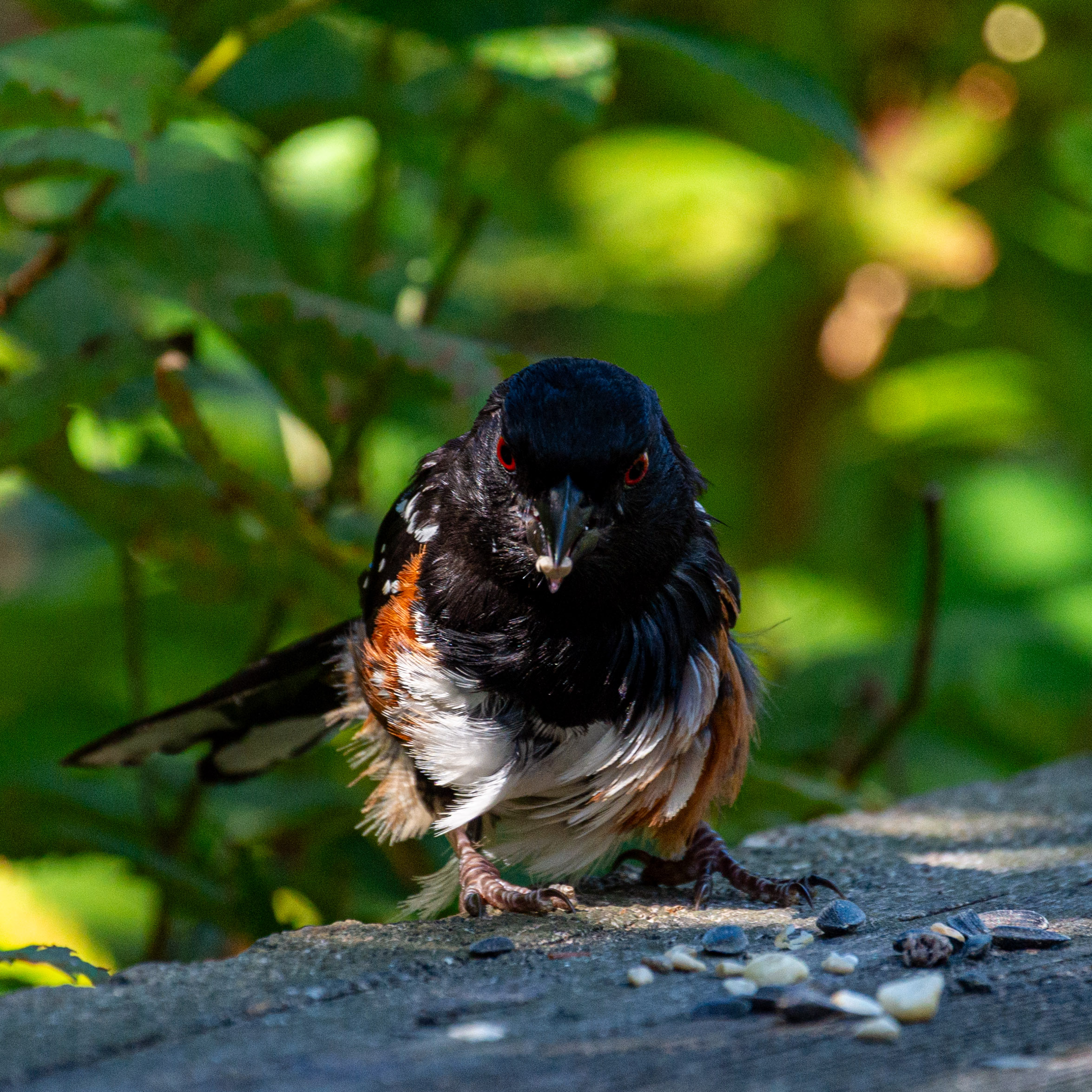
I particularly enjoyed Stanley Park: it easily took us a whole day just to walk around the Seawall and explore its interior. I took well over a thousand pictures that day, including birds, squirrels, and the odd beaver.
Over dinner we met with a couple of newfound Italian friends: one of them had moved to Vancouver over 4 years ago and was currently employed in the gaming industry. As I also had been working in the same industry in the past, and had always entertained the idea to move to Canada at some point, talking to him felt like getting to know an “alternate universe” version of me.
This feeling didn’t cause any remorse or sadness, however. I’m genuinely happy about the path I took over the past years, and wouldn’t change it one bit. It was still fun, however, to wonder for a few hours that particular “what if” scenario of my life.
In Vancouver, one of the most interesting places we visited was the Capilano River Hatchery. This was a suggestion I got from a colleague of mine, and it was a really good one. At the hatchery we learned a great deal about the one animal which is truly the bedrock of the whole ecosystem there: salmon. So much hinges on this fish being abundant and able to migrate, that it was truly eye-opening to read about it in detail.
The other “main character” we met during these first few days was the Western redcedar, a very important tree also for the native population of this region. The link between this tree and the local First Nations goes back thousands of years.

This massive tree is present everywhere along the coast, and we saw some truly beautiful and old specimens in Stanley Park, including the so-called “Hollow Tree”, which can fit a few people inside its trunk.
After three days in Vancouver, we left for the small village of Whistler, where we wanted to get a taste for the alpine part of British Columbia.
Whistler


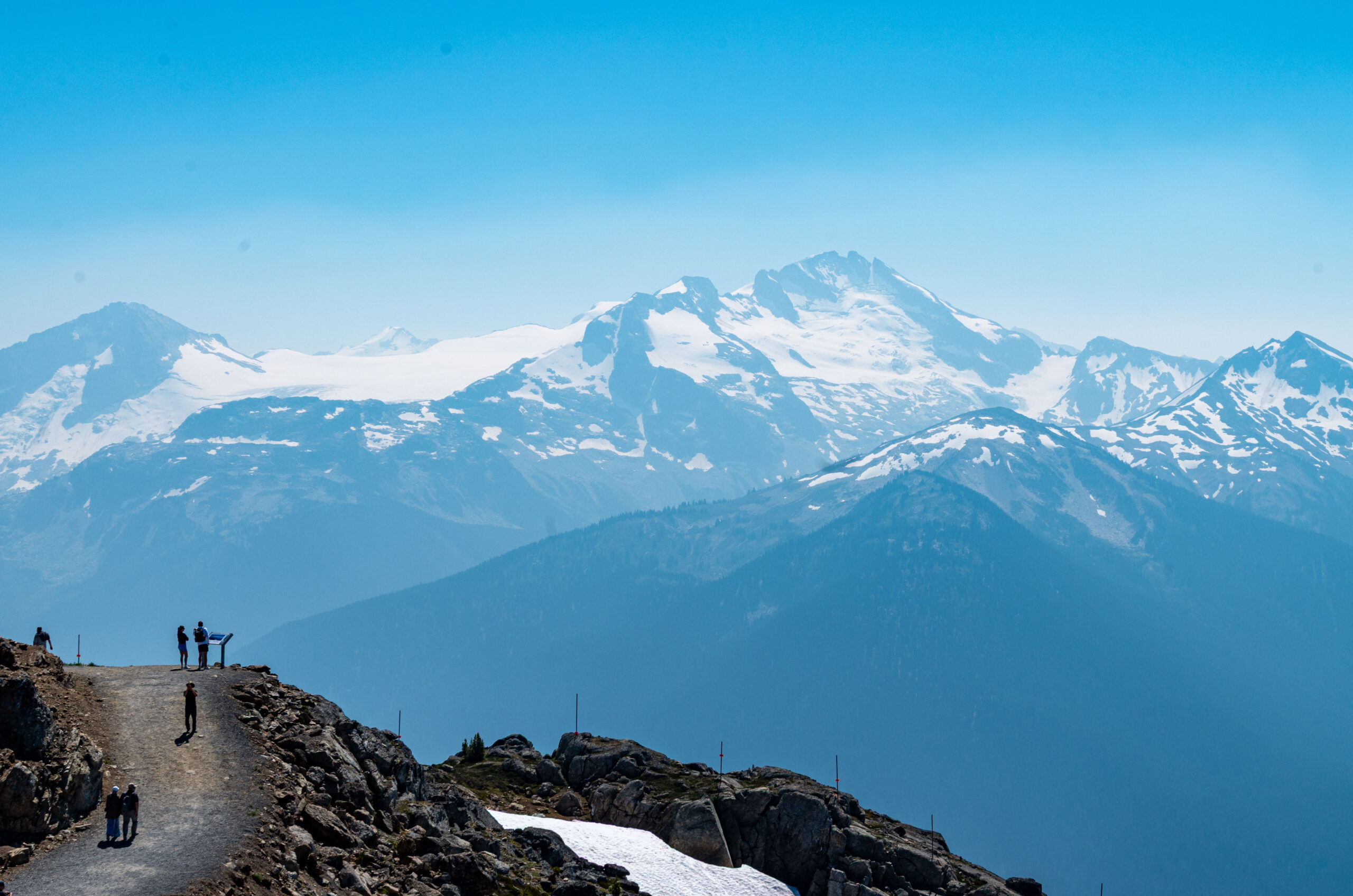
After a very scenic bus ride on the “Sea to Sky Highway”, we arrived at our small apartment in Whistler.
This small town hosted the Winter Olympic games in 2010. Despite being very touristy, we enjoyed spending a couple of nights there.
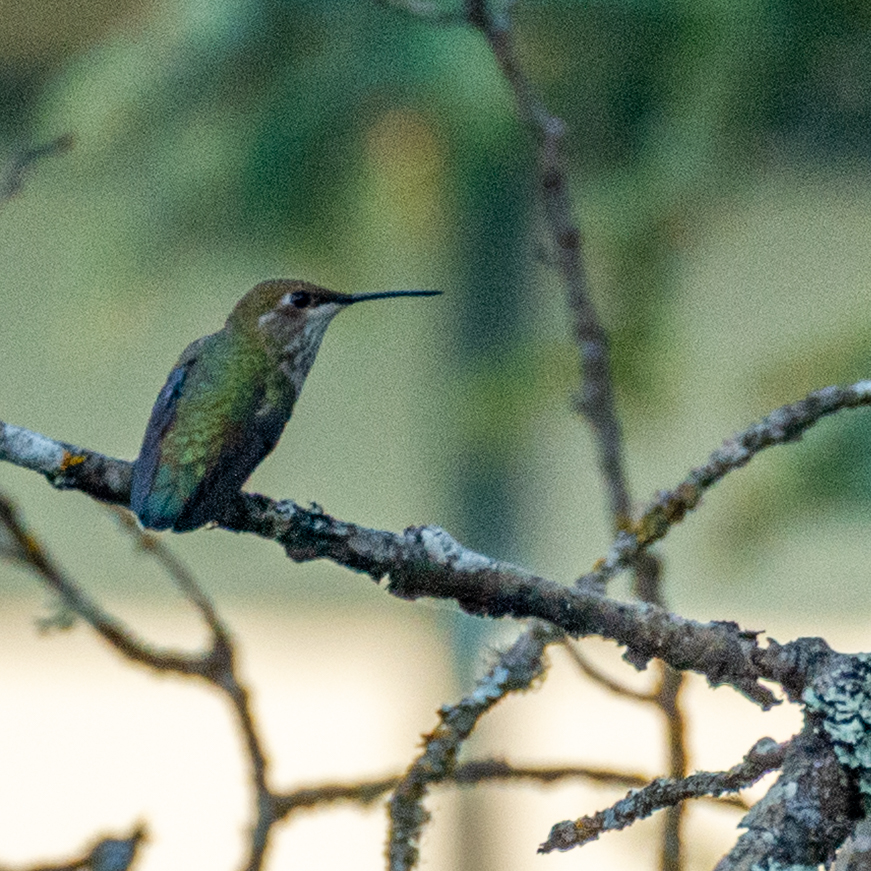
I had high hopes we would see a lot of wildlife on the Whistler and Blackcomb mountains, especially black bears. Alas, the bears were nowhere to be found. We did have a lot of other special encounters, however, including a tiny hummingbird, as well as a groundhog who strolled by Laura in a very nonchalant way.

I also tried the famous “Skybridge” perched between two peaks of Whistler mountain. It’s a suspension bridge, and I would not recommend it if you suffer from vertigo, like I do. Still, it was a very unique experience, and something I would do again.
After that, we tried an offroad tour with an ATV (All-terrain vehicle), which was a lot of fun to drive, despite my preference for driving on tarmac. The amount of dust we collected on our bodies, however, was a bit less fun to deal with, once the drive was over.
Victoria


After Whistler, we went straight to the ferry terminal in Vancouver and headed to Vancouver Island. The island is more than 450 Km long, and our plan was to explore it all, starting from the South, and driving our way up to the wilder Northern side.
Our first stop on the island was the city of Victoria, where most of the island residents live. It looked to us like a vibrant city, at least in summer. We even stumbled upon a big open air concert, hosted by local celebrity David Foster.
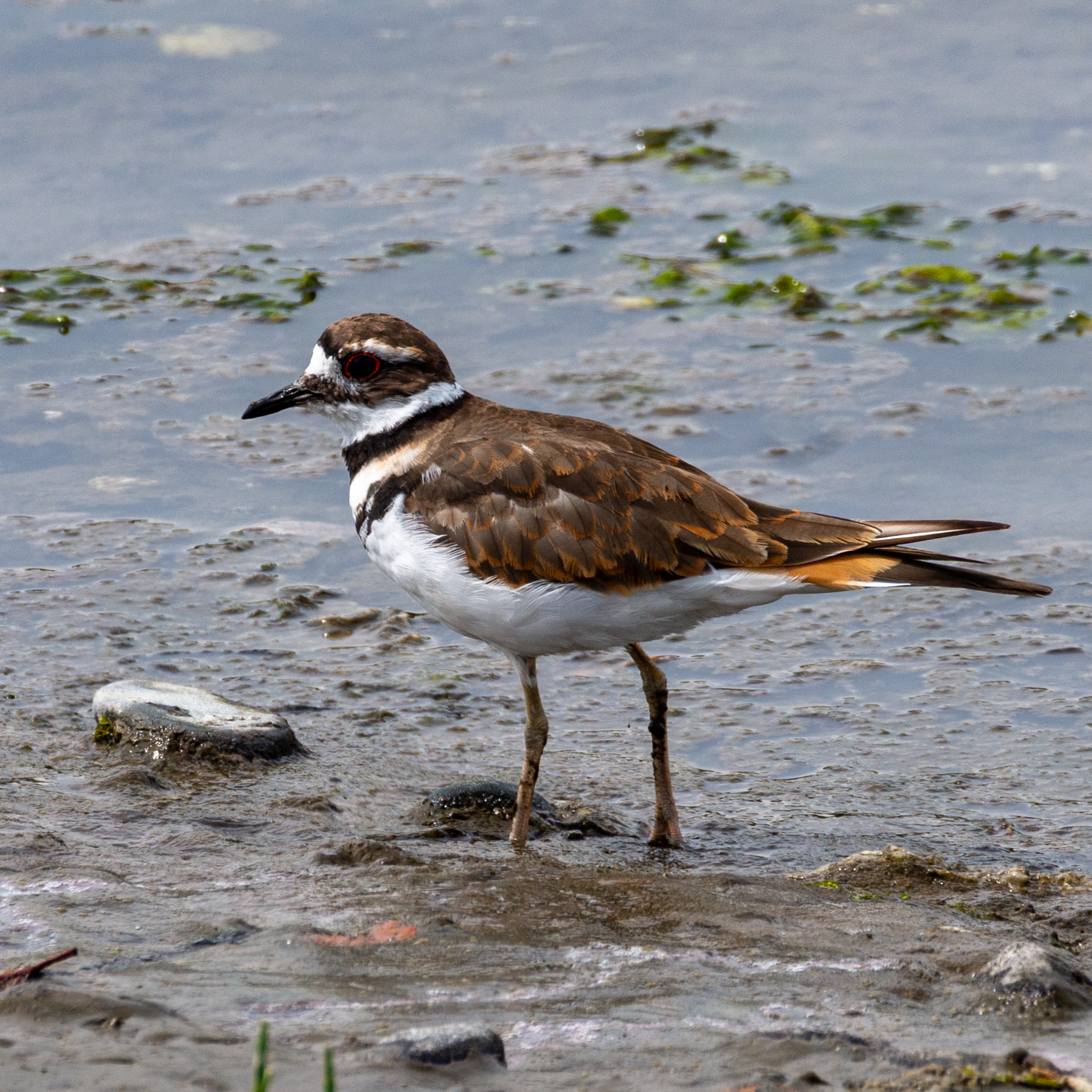
We managed to see a lot of cool birds at a lagoon west of the city, and also an adult male deer while driving at night. Luckily he did not cross the road as we were passing by.
Port McNeill



We left Victoria after a couple of days, and drove all the way to Port McNeill, on the Norther tip of the island.
The goal was to discover the more remote parts of Vancouver Island, and remoteness is exactly the word one would use to describe those lands.
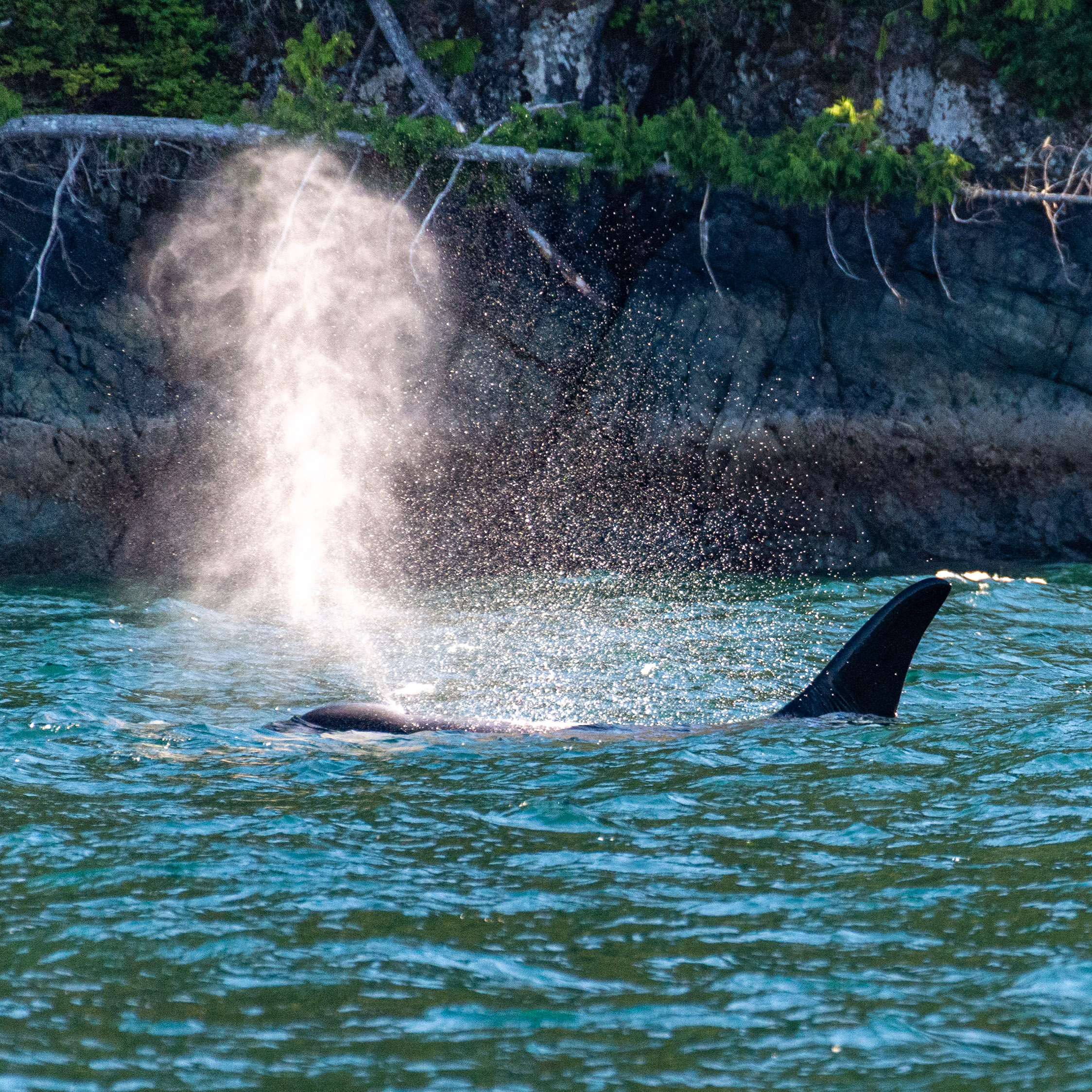
The highlight of our stay there was the whale-watching tour. We started on a small “Zodiac” boat from the tiny village of Telegraph Cove, and spent around three hours at sea, looking for wildlife while maintaining a respectful distance.
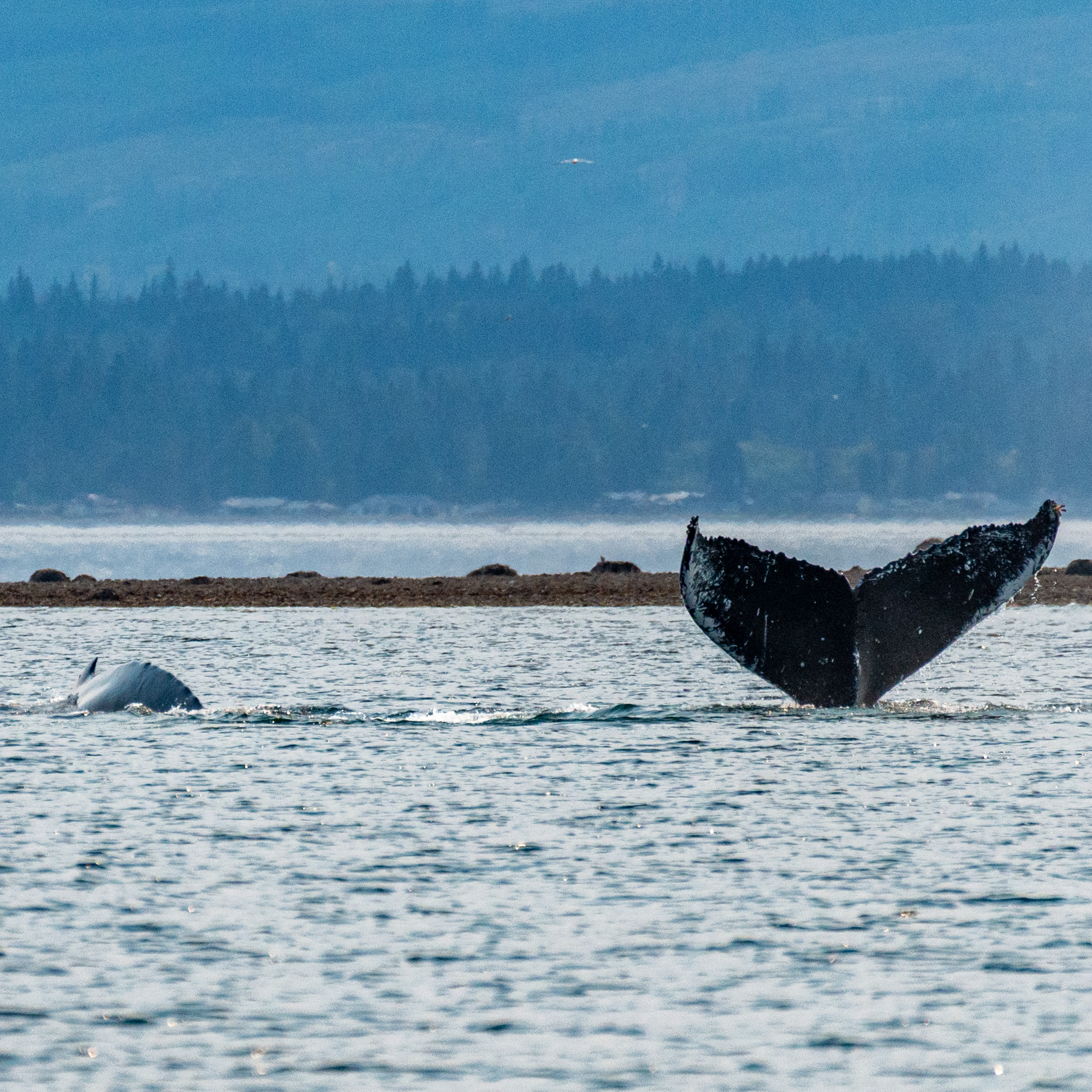
And what a tour it was: we saw orcas, dolphins, humpback whales and lots of birds. We got particularly lucky with a “mom and calf” couple of humpback whales: the mother whale was teaching her calf how to lunge feed and jump.
We were privileged to witness it all live, unfolding before our eyes. It was spectacular.
On the next day, we visited the small island of Alert Bay, where we learned a lot about the First Nations who inhabited these lands before the Europeans arrived. It was a very interesting leap into a part of history which I hardly knew at all.
Campbell River


After two nights in Port McNeill, we moved South towards the middle of the island. We stopped in the town of Campbell River, where one of my most anticipated activities was waiting for us: a grizzly bear watching tour, hosted by people belonging to the native Homalco Tribe.
The tour featured a long boat ride to the mouth of the Orford river, where we would then disembark and proceed to various bear watching towers by bus.
It didn’t look like a lucky day for us – we only saw one bear mom with a cub far in the distance. After a lot of waiting and not much else to see, we sadly boarded our boat once again to go back home. However, the best part of the tour was about to unfold before our eyes, just as we were losing hope.
A mother bear with two cubs strolled along the beach and stayed there for a long time. We alerted the driver who immediately killed the engines of the boat. The last thing we wanted to do was to spook the bears. Everyone onboard was very excited, myself included, and kept a respectful silence for as long as possible.
After gorging on the sight of these three bears, we sadly made our way back. However, Lady Luck still had something in store for us, in the shape of another humpback whale and calf just in front of us.
What a special half-day it’s been. One to remember for sure.
Back to Vancouver


As you can imagine, going back to Vancouver meant that our trip was sadly coming to an end. It was inevitable that these last two days would have a bittersweet taste to them.
Still, we tried to make the best out of them. Before leaving Vancouver Island, we stopped at a place called “Cathedral Grove”. It’s named after some of the tallest trees you will find on the island.
The tallest of them all is a Douglas fir from the 13th century, which means that this tree is more than 800 years old. As a matter of fact, that tree is older than Dante’s “Commedia”, as well as being taller than the leaning Tower of Pisa. Standing next to it, you can’t help but feel a little minuscule and insignificant in comparison.
After spending some time there, we took another ferry to Vancouver, where we had another dinner with our new friends.
On the next day, we went to a nearby lake to find our last birds, and then begrudgingly boarded our plane to the old continent.
All in all it’s been a fantastic trip. The forests, the roads, the wildlife, the people. It really left me with a desire to come back and explore some more.
I can understand now why so many people are lured to the great Pacific Northwest.
The only thing that remains now is to go Northwest of that Northwest… To Yukon and Alaska, Haida Gwaii and Whitehorse.
In search of that strange type of gold that makes your wallet leaner, but your soul richer.